Quick answer: A practical guide to long exposure photography: gear, ND filters, settings, focusing, light trails, silky water, moving clouds and common mistakes to avoid.
Long exposure photography uses slow shutter speeds, from a second to several minutes, to show motion over time. Water turns silky, clouds streak across the sky and traffic becomes ribbons of light.
Gear you need
- Tripod: sturdy and stable
- Remote release or timer: no touching the camera
- ND filters for daytime long exposures
- Lens hood and spare batteries
ND filters explained
Neutral density filters reduce light without changing colour, letting you use slow shutter speeds in daylight.
| ND strength | Stops of light reduced |
| ND8 | 3 |
| ND64 | 6 |
| ND1000 | 10 |
A 10-stop ND turns a 1/60s exposure into about 15 seconds.
Basic settings
- Mode: manual (or bulb for exposures over 30s)
- ISO: base (100)
- Aperture: f/8–f/11
- Stabilisation: off on a tripod (if recommended for your camera)
- Shutter: depends on effect
Steps for a daytime long exposure
- Compose and focus without the filter.
- Switch to manual focus so it doesn't hunt.
- Note your correct exposure.
- Attach the ND filter and calculate the new shutter speed.
- Cover the viewfinder if light can leak in.
- Shoot and check the histogram.
Popular long exposure subjects
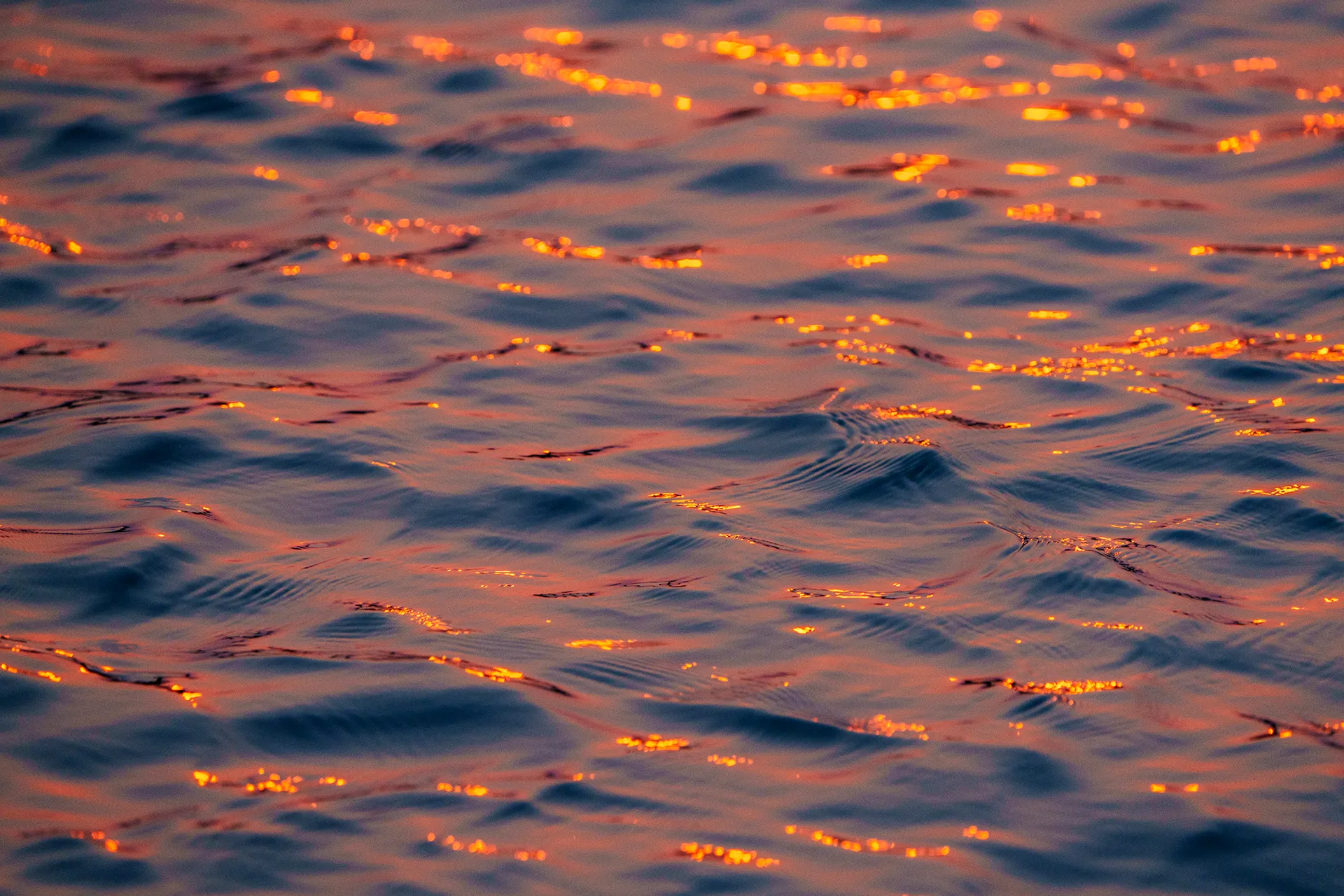
- Water: rivers, waves and waterfalls (1–30 seconds)
- Clouds: streaking skies (30 seconds to several minutes)
- Light trails: traffic at night (5–30 seconds)
- Crowds: making people disappear (minutes, with strong ND)
- Star trails: stacking many exposures
Common mistakes
- Wobbly tripod or wind
- Forgetting to switch to manual focus
- Light leaks through the viewfinder
- Colour casts from cheap filters
- Overexposed skies
Long exposures around Kolkata
The Hooghly riverfront, the bridges at night and busy roads seen from footbridges are excellent places to practise water and light trail long exposures.
Learn landscape and long exposure techniques
RAP Education's travel and landscape photography masterclass covers long exposure, filters, composition and editing on outdoor shoots with mentors.
Frequently asked questions
What is long exposure photography?
Using slow shutter speeds to record motion over time, such as silky water, streaking clouds or light trails.
What equipment do I need for long exposures?
A sturdy tripod, a remote release or timer and ND filters for daytime shots.
What is an ND filter?
A neutral density filter that reduces incoming light so you can use slower shutter speeds.
What settings are used for long exposure?
Typically ISO 100, f/8–f/11, manual focus and a shutter speed from one second to several minutes.
How do I photograph light trails?
Use a tripod at night, ISO 100, f/8–f/11 and exposures of 5–30 seconds over moving traffic.
Why are my long exposures blurry?
Usually tripod movement, wind, touching the camera or autofocus hunting.
Can I do long exposure without an ND filter?
Yes at night or in low light. In daylight you need ND filters.
Does RAP Education teach long exposure photography?
Yes, in the travel and landscape photography masterclass and outdoor sessions.
- #nd filter
- #light trails
- #slow shutter
- #landscape photography
Photography courses near you: