Quick answer: A Sundarbans photography guide: when to go, permits and operators, gear for boat-based shooting, birds and wildlife, village life, light and ethical practices.
The Sundarbans, the world's largest mangrove forest, is a dream for nature and documentary photographers. Creeks, mudflats, birds, crocodiles and the elusive tiger, along with the lives of river communities, offer endless subjects.
Getting there
Gosaba, Canning, Basanti and other gateways in South 24 Parganas lead into the Sundarbans. Most visitors travel with licensed tour operators who arrange permits, boats and guides. Rules change, so check current requirements before you go.
When to go
The cooler months (roughly October to March) are most comfortable, with good light and birdlife. The monsoon brings dramatic skies but rough conditions.
Gear for boat-based photography
- Telephoto lens (300mm+ full-frame equivalent) for birds and wildlife
- Standard zoom for landscapes and people
- Bean bag for resting the lens on the boat
- Rain and spray protection
- Extra batteries (charging can be limited)
- Lens cloths for humidity
Settings on a moving boat
- 1/1000s or faster to counter boat movement
- Continuous autofocus with tracking
- Auto ISO
- Burst mode for birds taking off
What to photograph
- Birds: kingfishers, egrets, herons and raptors
- Reptiles: crocodiles and monitor lizards on mudflats
- Mammals: spotted deer, monkeys and, with luck, tigers
- Landscapes: mangrove roots, creeks and misty sunrises
- People: fishers, honey collectors and village life
Light
Early morning and late afternoon light on the creeks is magical. Mist at dawn adds mood.
Ethics and safety
- Stay on the boat in restricted areas
- Never disturb wildlife
- Respect local communities and ask before portraits
- Follow forest department rules and your guide's instructions
- Carry back all plastic
Tell the full story
The Sundarbans isn't just a wildlife destination. Stories about people living alongside the forest are equally powerful.
Learn wildlife and documentary photography
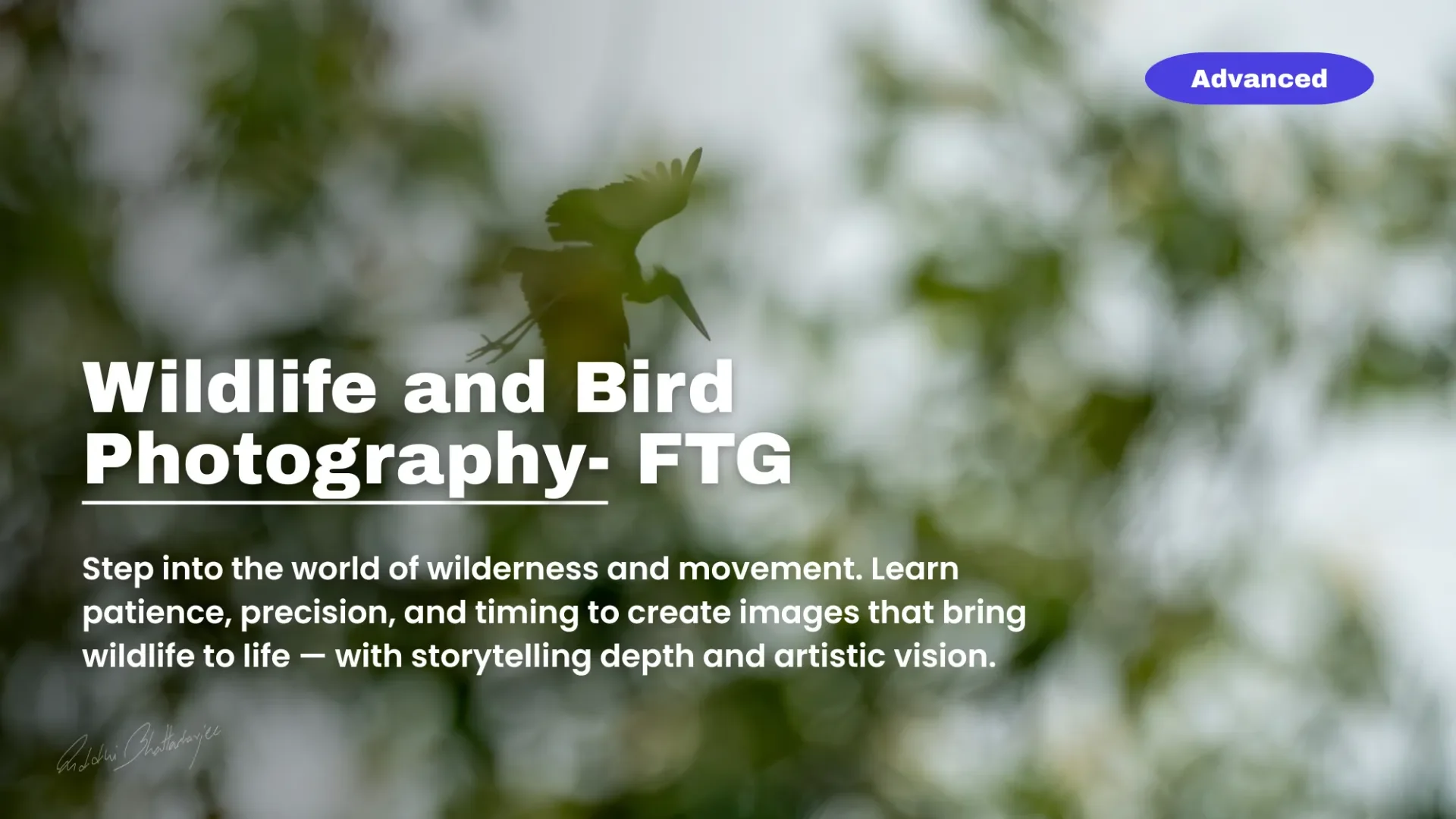
RAP Education's wildlife and bird photography masterclass covers long-lens technique, fieldcraft and ethics, and students from South 24 Parganas can join hybrid batches.
Frequently asked questions
When is the best time to photograph the Sundarbans?
Roughly October to March for comfortable weather, good light and birdlife.
Do I need permits to photograph in the Sundarbans?
Permits and rules apply in protected areas. Licensed tour operators usually arrange them; check current requirements.
What lens should I take to the Sundarbans?
A telephoto lens of 300mm or more for wildlife and a standard zoom for landscapes and people.
What settings work on a moving boat?
1/1000s or faster, continuous autofocus with tracking, auto ISO and burst mode.
Can I photograph tigers in the Sundarbans?
Sightings are rare and unpredictable. Birds, crocodiles, deer and landscapes are much more reliable subjects.
How do I protect gear from humidity?
Use rain covers, lens cloths and silica gel, and keep gear in a dry bag.
What are the ethics of Sundarbans photography?
Don't disturb wildlife, follow forest rules, respect communities and carry back all waste.
Does RAP Education offer wildlife photography training?
Yes, the wildlife and bird photography masterclass, with hybrid options for distant students.
- #sundarbans wildlife photography
- #mangrove photography
- #boat photography
- #kingfisher photography
Photography courses near you: