
Quick answer: Smartphone vs camera: where phones excel, where dedicated cameras still win (lenses, low light, depth, control, video) and when upgrading is worth it.
Phone cameras have improved dramatically. Computational photography, multiple lenses and powerful processors produce impressive images. So do you still need a dedicated camera? It depends on what you shoot.
Where smartphones excel
- Always with you: the best camera is the one you have.
- Computational HDR: balanced exposures in tricky light.
- Instant sharing: shoot, edit and post in seconds.
- Great in good light: daylight, travel snaps and social content.
- Stabilised video: smooth handheld clips.
Where dedicated cameras still win
Lenses
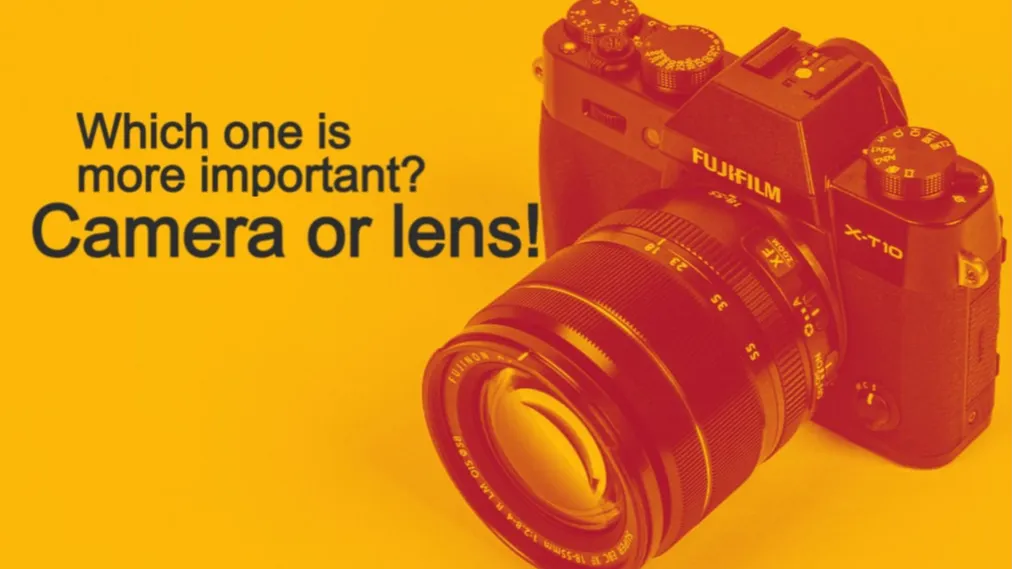
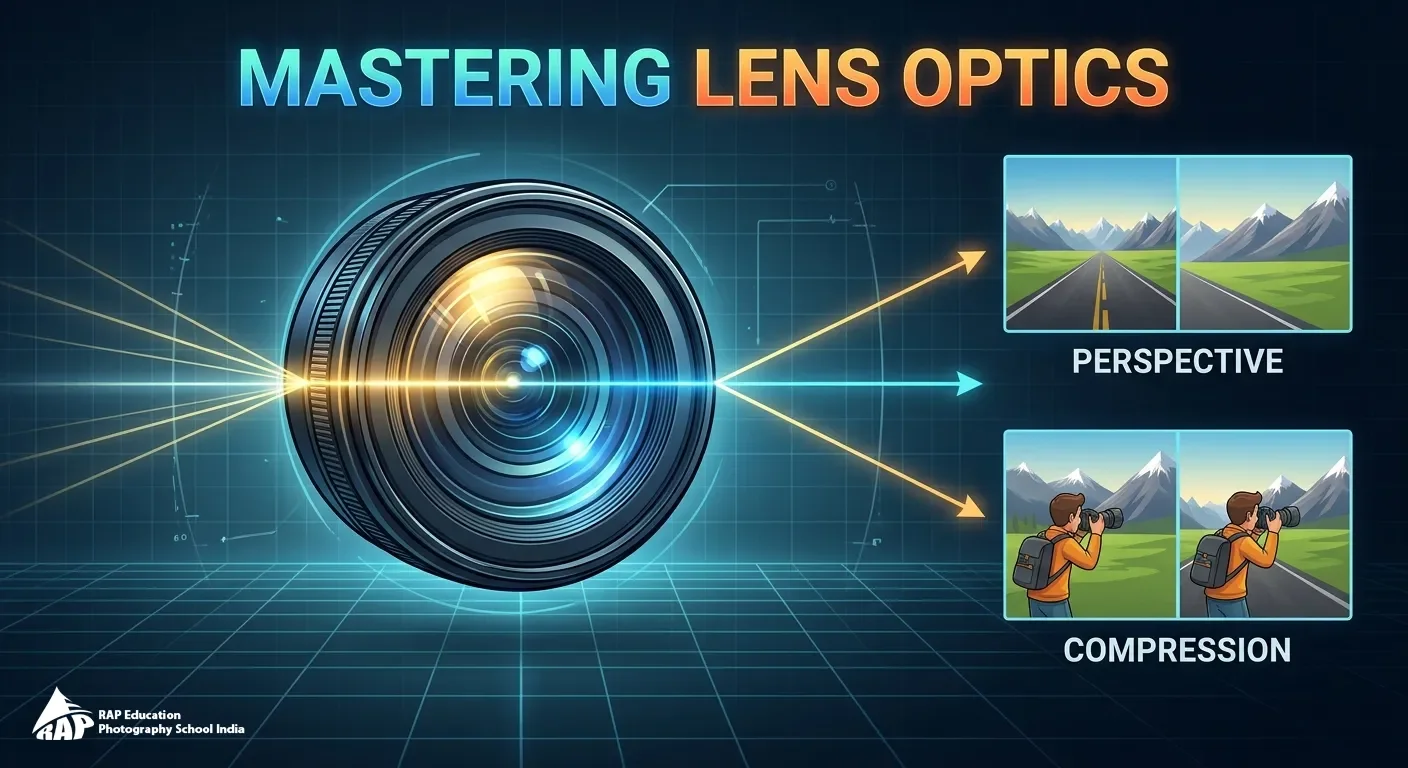
Interchangeable lenses give real optical zoom, true telephoto reach for wildlife and sport, ultra-wide angles and macro detail. Phone "zoom" beyond its built-in lenses is digital cropping.
Natural background blur
Large sensors and fast lenses create real depth of field. Phone portrait modes simulate it and can struggle with hair, glasses and complex edges.
Low light and action
Larger sensors gather more light. Fast-moving subjects in dim conditions, like weddings, concerts and indoor sport, are where cameras shine.
Control
Full manual control of aperture, shutter and ISO, plus raw files with great editing latitude.
Flash and lighting
Cameras work with off-camera flash and studio strobes, which is essential for professional portrait, fashion and product work.
Professional video
Cameras offer better codecs, log profiles, interchangeable lenses, audio inputs and cinematic depth of field.
When a phone is enough
- Social media content in good light
- Travel snaps and family memories
- Learning composition and light
- Quick behind-the-scenes clips
When a camera is worth it
- You want to work professionally
- You shoot weddings, events, fashion, products, wildlife or sport
- You need real background blur or telephoto reach
- You want high-end video
- You plan to print large
The skill matters most
Composition, light and timing make great photos on any device. Many professionals started on phones. Learning the fundamentals properly makes your phone photos better and prepares you for a camera.
Try both
At RAP Education, students learn the fundamentals and then apply them on professional Sony cameras, so they understand exactly what a dedicated camera adds before deciding to buy one.
Frequently asked questions
Is a smartphone good enough for photography?
For social media, travel and good light, modern phones are excellent. Cameras still win for low light, action, telephoto, real background blur and professional work.
Can I become a professional photographer using only a phone?
Some content creators work mainly with phones, but most professional work like weddings, fashion and products needs dedicated cameras and lighting.
Why do camera photos look better than phone photos?
Larger sensors, better lenses, real depth of field and full manual control, especially in difficult light.
Is phone portrait mode the same as camera bokeh?
No. Phones simulate background blur with software, which can struggle with hair and edges.
Should I learn on a phone or a camera?
Both work for composition and light. A course gives you manual camera skills on professional equipment.
When should I upgrade from a phone to a camera?
When you want to work professionally, shoot in low light or action, need telephoto reach or want high-end video.
Are phones good for video content?
Yes, for social media in good light. Cameras offer more control, better audio options and cinematic depth of field.
Does RAP Education teach mobile photography?
The fundamentals taught apply to phones too, and content creation courses cover platform-ready video.
- #mobile vs dslr
- #phone photography
- #camera upgrade
Photography courses near you: