Quick answer: Which lens to buy first: focal lengths explained, prime vs zoom, aperture, the classic 50mm, kit lenses and the best first lens for portraits, travel and video.
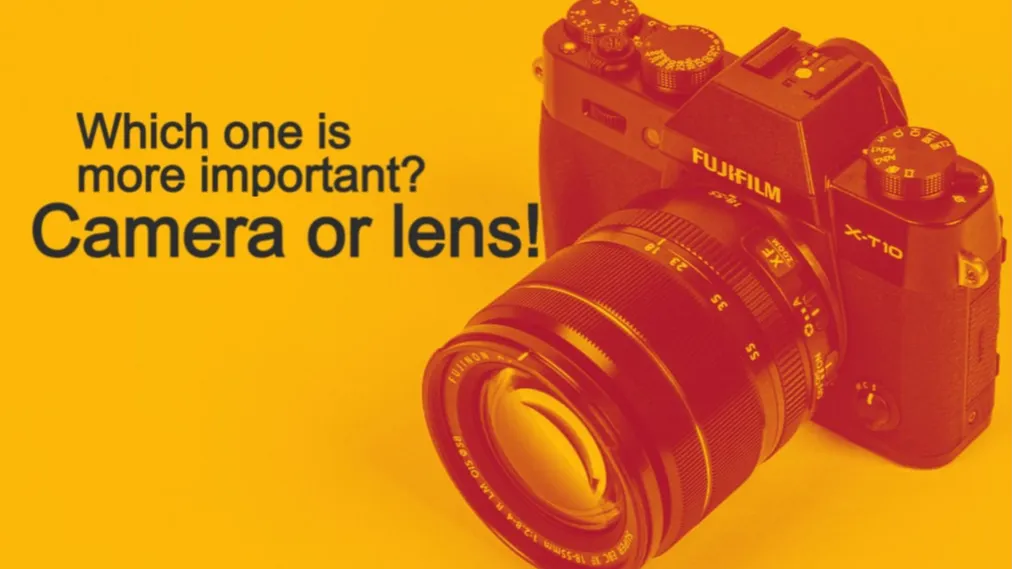
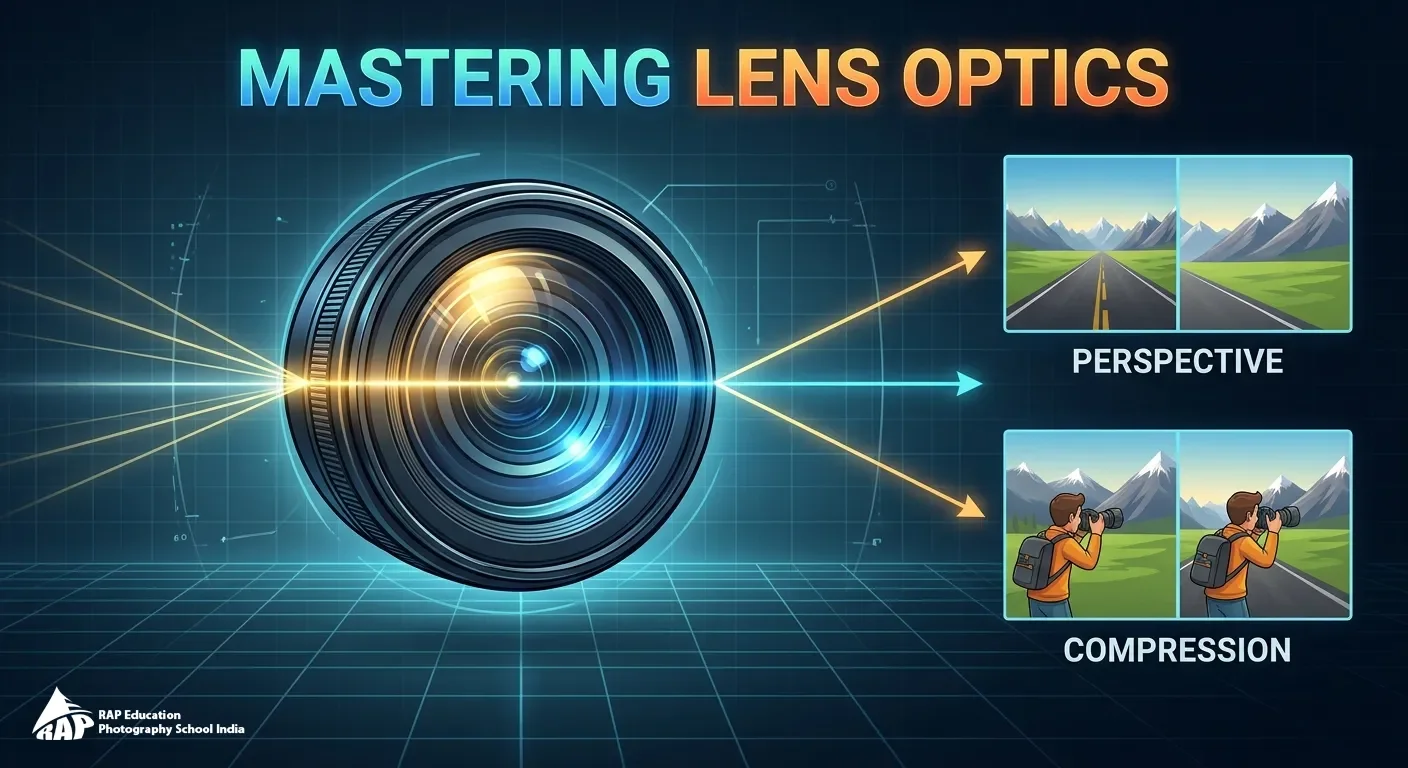
Lenses shape your photographs more than camera bodies do. They decide your field of view, perspective, background blur and sharpness. But with so many options, which lens should you buy first?
Understand focal length
| Focal length (full-frame terms) | Type | Common uses |
| 14–24mm | Ultra-wide | Architecture, interiors, landscapes |
| 24–35mm | Wide | Street, travel, environmental portraits |
| 50mm | Standard | Everyday, street, portraits |
| 85–135mm | Short telephoto | Portraits, fashion |
| 70–200mm | Telephoto | Events, sport, candids, portraits |
| 300mm+ | Super telephoto | Wildlife, birds, sport |
Remember the crop factor on APS-C cameras: multiply by about 1.5 for the equivalent field of view.
Prime vs zoom
- Prime lenses have one focal length. They're usually sharper, lighter and brighter (wider apertures) for the price.
- Zoom lenses cover a range. They're versatile and great for events and travel.
Why aperture matters
A lens's maximum aperture (like f/1.8 or f/2.8) tells you how much light it gathers. Wider apertures help in low light and create stronger background blur.
Is the kit lens worth keeping?
Yes. The kit zoom is great for learning focal lengths. Use it for a few months, then check which focal lengths you use most. That tells you what to buy next.
The best first lens for most people: a fast "nifty fifty"
A 50mm-equivalent prime with a wide aperture (around f/1.8) is affordable, sharp, light and excellent in low light. It teaches you to "zoom with your feet" and compose deliberately. On APS-C, a 35mm lens gives a similar view.
Best first lens by genre
- Portraits: 85mm-equivalent prime
- Travel: a versatile standard zoom
- Street: 35mm or 50mm-equivalent prime
- Weddings and events: a fast standard zoom, then a telephoto zoom
- Wildlife: a telephoto zoom reaching 300mm or more
- Video and vlogging: a wide-angle lens with stabilisation
- Product and macro: a dedicated macro lens
Things to check before buying
- Compatibility with your camera mount
- Autofocus speed and noise (important for video)
- Image stabilisation
- Weight and size
- Filter thread size
Test before you buy
Using different lenses in class is the best way to choose. At RAP Education, students learn with a range of professional Sony lenses, so they understand focal lengths and apertures before spending money.
Frequently asked questions
What is the best first lens to buy?
For most people, a fast 50mm-equivalent prime (around f/1.8) is the best first upgrade: sharp, light, affordable and great in low light.
Should I buy a prime or zoom lens first?
Use your kit zoom to learn which focal lengths you like, then add a prime for quality and low light, or a better zoom for versatility.
What lens is best for portraits?
An 85mm-equivalent prime is a classic portrait lens with flattering perspective and soft backgrounds.
What does f/1.8 mean on a lens?
It's the maximum aperture. A smaller f-number means a wider opening, more light and more background blur.
Is the kit lens bad?
No. It's a good learning tool. Upgrade once you know which focal lengths you use most.
What lens is best for wildlife photography?
A telephoto zoom reaching at least 300mm (full-frame equivalent) is a common starting point.
What lens should I use for vlogging?
A wide-angle lens with stabilisation and quiet autofocus works best.
Can I try lenses before buying?
Yes. RAP Education students use a range of professional Sony lenses during classes.
- #first lens
- #prime vs zoom
- #50mm lens
- #lens buying guide
Photography courses near you: